



Sponge City
Sponge Cities Work with Nature Rather Than against It
Can Ridgefield become more ‘spongy’ and green?
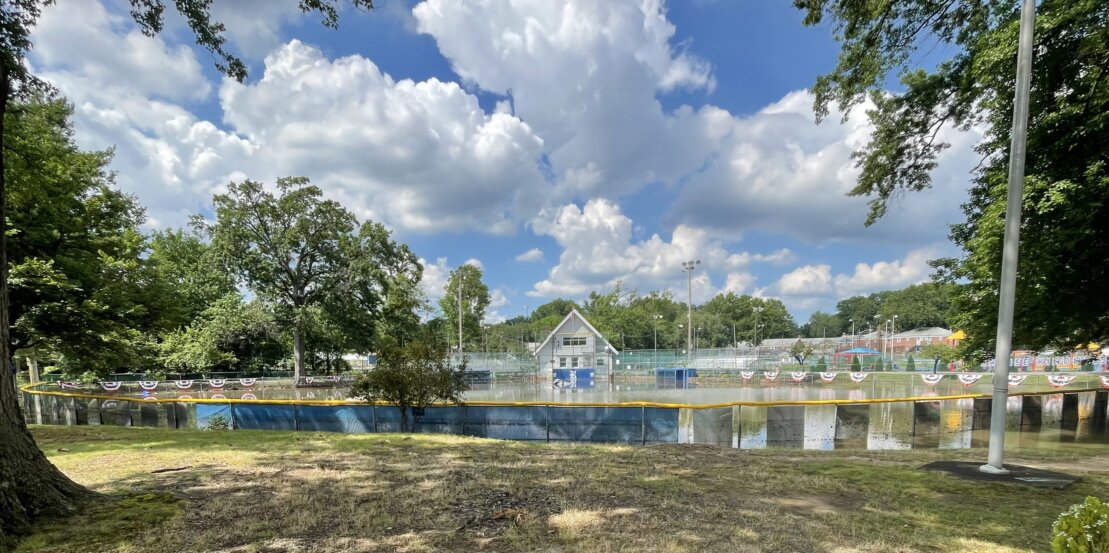
Why we need sponge cities?
Sponge cities are needed to address severe urban water challenges, including flooding, water scarcity, and pollution, which are exacerbated by climate change and rapid urbanization. Instead of relying solely on "gray infrastructure" like concrete channels and pipes, sponge cities use nature-based solutions to absorb, clean, and reuse rainwater.
To mitigate severe urban flooding.
Paved surfaces and buildings in conventional cities prevent rainwater from soaking into the ground, leading to excessive runoff that overwhelms drainage systems and causes dangerous floods. Sponge cities combat this by:
- Absorbing rainwater: Green spaces, permeable pavements, and other surfaces soak up water, storing it temporarily and reducing the volume of stormwater runoff.
- Slowing the flow: Urban wetlands, parks, and other features slow the movement of water, which helps prevent flash floods during heavy rainfall.
- Adapting to climate change: With climate change causing more frequent and intense storms, sponge cities offer a crucial, more resilient alternative to outdated drainage systems that are unable to cope with modern weather patterns.
To enhance water supply.
Sponge cities use natural processes to manage rainwater, making cities more resilient to drought and reducing dependence on distant water sources.
- Replenishing groundwater: Absorbing excess water allows it to percolate into the soil, replenishing underground aquifers.
- Recycling and reusing water: Collected stormwater can be stored in underground harvesting systems for later reuse in irrigation or other non-potable uses.
To improve overall urban health.
Sponge city projects create environmental, economic, and social benefits for residents.
- Cooling urban heat islands: Green spaces and vegetation absorb heat, and the slow evaporation of stored rainwater has a natural cooling effect. This helps reduce the "urban heat island" effect caused by asphalt and concrete.
- Cleaning polluted water: Vegetation and soil naturally filter pollutants and sediments from stormwater runoff before it enters waterways.
- Increasing biodiversity: By adding green and blue spaces like parks, restored rivers, and wetlands, sponge city projects provide new habitats for wildlife.
- Improving quality of life: These efforts create more green spaces for recreation and relaxation, improving the physical and mental well-being of residents.
To achieve sustainable urban development.
The sponge city model offers a more sustainable and cost-effective approach to urban water management.
- Cost-effective infrastructure: Nature-based solutions are often more affordable to build and maintain than "gray infrastructure" like pipes and flood walls, and they offer a greater return on investment.
- Economic value: The added green spaces and improved quality of life can increase surrounding property values.
- Long-term resilience: By restoring natural water cycles and protecting ecosystems, sponge cities help safeguard urban areas against future climate-related risks.
Are you ready to take a deeper dive?
Enter the portal below.